Ser­vices
Effec­ti­ve par­ti­ci­pa­ti­on
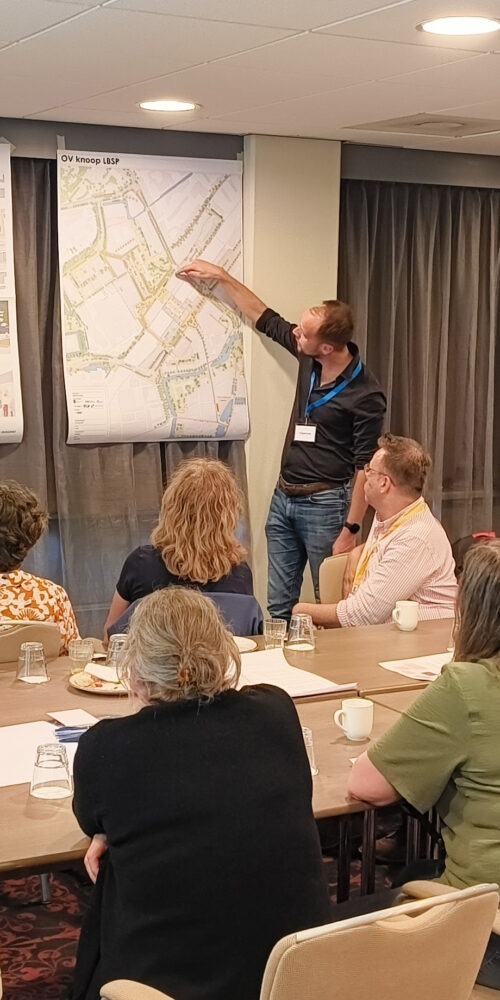
Par­ti­ci­pa­ti­on results often rai­se more ques­ti­ons than ans­wers.

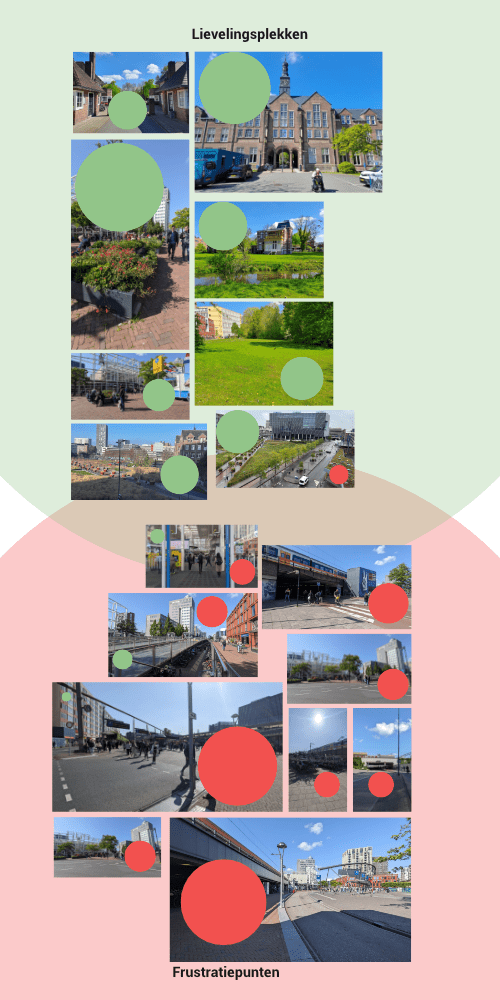
How can one draw clear con­clu­si­ons from this abun­dance of opi­ni­ons? How can the under­ly­ing fee­lings and moti­ves be abs­trac­ted and con­cre­ti­zed? What is tru­ly important?

Resi­dents and visi­tors impli­cit­ly share much more know­ledge than we curr­ent­ly reco­gni­ze.

Design & assess­ment frame­works
Resi­dents often ask at par­ti­ci­pa­ti­on mee­tings what will be done with the results.

A valid ques­ti­on, which can be ans­we­red when it comes to spe­ci­fic, small-sca­le issues. But is that pos­si­ble when resi­dents express a fee­ling wit­hout a clear and appli­ca­ble mea­su­re?

Desi­gners can only effec­tively trans­la­te the wis­hes of resi­dents and visi­tors into rea­li­ty if the­se wis­hes also offer scope for action. To this end, con­cre­te mea­su­res must be abs­trac­ted and veri­fied from the available par­ti­ci­pa­ti­on data.

Design team com­ple­ti­on
Urban deve­lo­p­ment is lar­ge­ly about func­tion­al aspects.

Such as: how many homes will be built, traf­fic capa­ci­ty, water sto­rage, or green spaces. Crea­ting places with posi­ti­ve urban signi­fi­can­ce is the final step in this pro­cess. That ambi­ti­on is the­r­e­fo­re under con­stant pres­su­re.

Pro­gram­ma­tic den­si­ty and finan­cial pres­su­re are not incom­pa­ti­ble with a good expe­ri­ence. But becau­se we do not defi­ne expe­ri­ence pro­per­ly in the ear­ly stages of a pro­ject, we are forced to make invest­ments in later stages to miti­ga­te expe­ri­ence pro­blems.

Mul­ti-disci­pli­na­ry col­la­bo­ra­ti­on & com­mu­ni­ca­ti­on
Get­ting a deve­lo­p­ment team to col­la­bo­ra­te effec­tively is an art in its­elf.

The task is com­plex and the objec­ti­ves can be inter­pre­ted in mul­ti­ple ways. How can you focus the team on the com­mon goal, get them to dis­cuss the right topics, and thus achie­ve more effec­ti­ve col­la­bo­ra­ti­on?

Under­stan­ding roles is the first pre­re­qui­si­te for effec­ti­ve col­la­bo­ra­ti­on. Who the cus­to­mer is, how they are ser­ved, who and what is nee­ded for this, and what ide­as exist in the pro­ject envi­ron­ment.

Poli­ti­cal accoun­ta­bi­li­ty, decis­i­on-making, and finan­cing
Good invest­ment decis­i­ons start with a strong argu­ment for why we want to do some­thing.

That is not so easy becau­se it requi­res addres­sing moti­ves rather than mea­su­res. A good exam­p­le is the shorta­ge on the housing mar­ket. The­re is poli­ti­cal con­sen­sus that housing must be built, while the flo­or space per inha­bi­tant con­ti­nues to increase. But local resi­dents are not hap­py about a new neigh­bor­hood on the for­mer mea­dow or an apart­ment buil­ding next door. And they alre­a­dy have a home. A sim­pli­stic approach to the ques­ti­on of why will the­r­e­fo­re lead to more dis­cus­sion in the long run.

Curious about what IIDM.CH can do for your urban deve­lo­p­ment?